Pregnancy Week 2: The Miracle of Ovulation
Welcome to Week 2! This is the most biologically active week of your entire journey. While your clinical dating started last week, this is the week where life officially begins. For most, this is the window where ovulation and conception occur, turning the possibility of a baby into a biological reality.
Clinical Phase: Late Follicular / Ovulatory
Primary Hormone: LH (Luteinizing Hormone)
Fertile Status: Peak Fertility Window
Baby's Size: Microscopic (Mature Egg)
Section 1: Filling the Gap — The LH Surge and Egg Release
Most sites mention "ovulation," but they skip the exact trigger mechanism. Around Day 12 to 14 of a standard cycle, your body experiences a massive spike in Luteinizing Hormone (LH). This surge acts as the biological starter pistol, causing the dominant follicle in your ovary to rupture and release its mature egg within 24 to 36 hours.
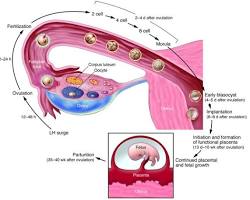
The Ovulation Trigger: Understanding the LH surge is key to identifying your most fertile 24-hour window.
Once released, the egg enters the fallopian tube, where it remains viable for only 12 to 24 hours. This incredibly short window is why timing intercourse *before* ovulation is critical—sperm must be already present in the fallopian tubes to ensure fertilization occurs before the egg begins to degrade.
Section 2: The "Sperm Race" — Survival of the Fittest
A major content gap involves the sheer scale of the journey sperm must take. While millions are released, only a few hundred ever reach the fallopian tube. Sperm can survive in the female reproductive tract for up to 5 days, waiting for the egg to arrive.
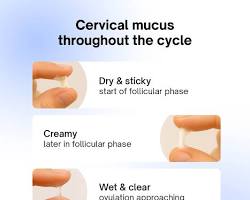
The Sperm Highway: Fertile-quality mucus is essential for sperm survival and transport through the cervix.
To survive the naturally acidic environment of the vagina, your body produces "fertile-quality" cervical mucus. This mucus changes to a slippery, "raw egg white" consistency. This is a critical gap-filling detail: without this specific mucus, sperm cannot swim through the cervix to meet the egg.
Section 3: Filling the Gap — The Moment of Conception
When a single sperm finally penetrates the egg's outer layer, a chemical reaction occurs that instantly hardens the shell, preventing any other sperm from entering. This is the exact moment of Conception.
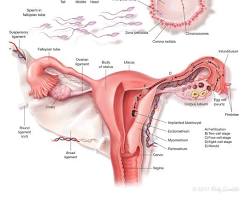
The Genetic Blueprint: At the moment of fertilization, your baby's sex and entire genetic code are determined.
The two sets of 23 chromosomes merge to form a Zygote. At this microscopic stage, your baby's sex, eye color, and over 200 physical traits are determined. The zygote then begins its first cellular divisions as it starts its multi-day journey down the fallopian tube toward the uterus.
Section 4: Symptoms — The "Peak Fertility" Signs
| Symptom | The Biological Reason | Management Tip |
|---|---|---|
| Egg-White Mucus | Rising estrogen thins the mucus to aid sperm transport. | Identify this slippery texture to time intercourse perfectly. |
| Mittelschmerz | One-sided pelvic twinge caused by the follicle rupturing. | A warm bath can soothe this brief ovulatory discomfort. |
| Increased Libido | Biological hormone surge designed to encourage conception. | Follow your body's natural lead during this peak window. |
| BBT Rise | Progesterone rises after ovulation, slightly increasing body temp. | Track your temp daily before getting out of bed for accuracy. |
Section 5: Action Plan — Maximizing Your Chances
Section 6: FAQ — Deep-Dive Expert Answers
Can I take a pregnancy test at the end of Week 2?
No. Even if conception occurs, it takes several days for the egg to implant in the uterus. Only after implantation does the body produce hCG, which tests detect. A test taken now will likely be a false negative.
How do I know for sure if I have ovulated?
The most reliable home method is tracking your Basal Body Temperature (BBT). You will see a sustained rise of about 0.5 to 1.0 degree *after* ovulation occurs, confirming the egg was released.
Essential Tools for Week 2
👉 Calculate your pregnancy due date
👉 View the full 40-week guide
Medical Disclaimer: This content is for informational purposes only. It is not intended to provide medical advice or to take the place of treatment from a physician.